
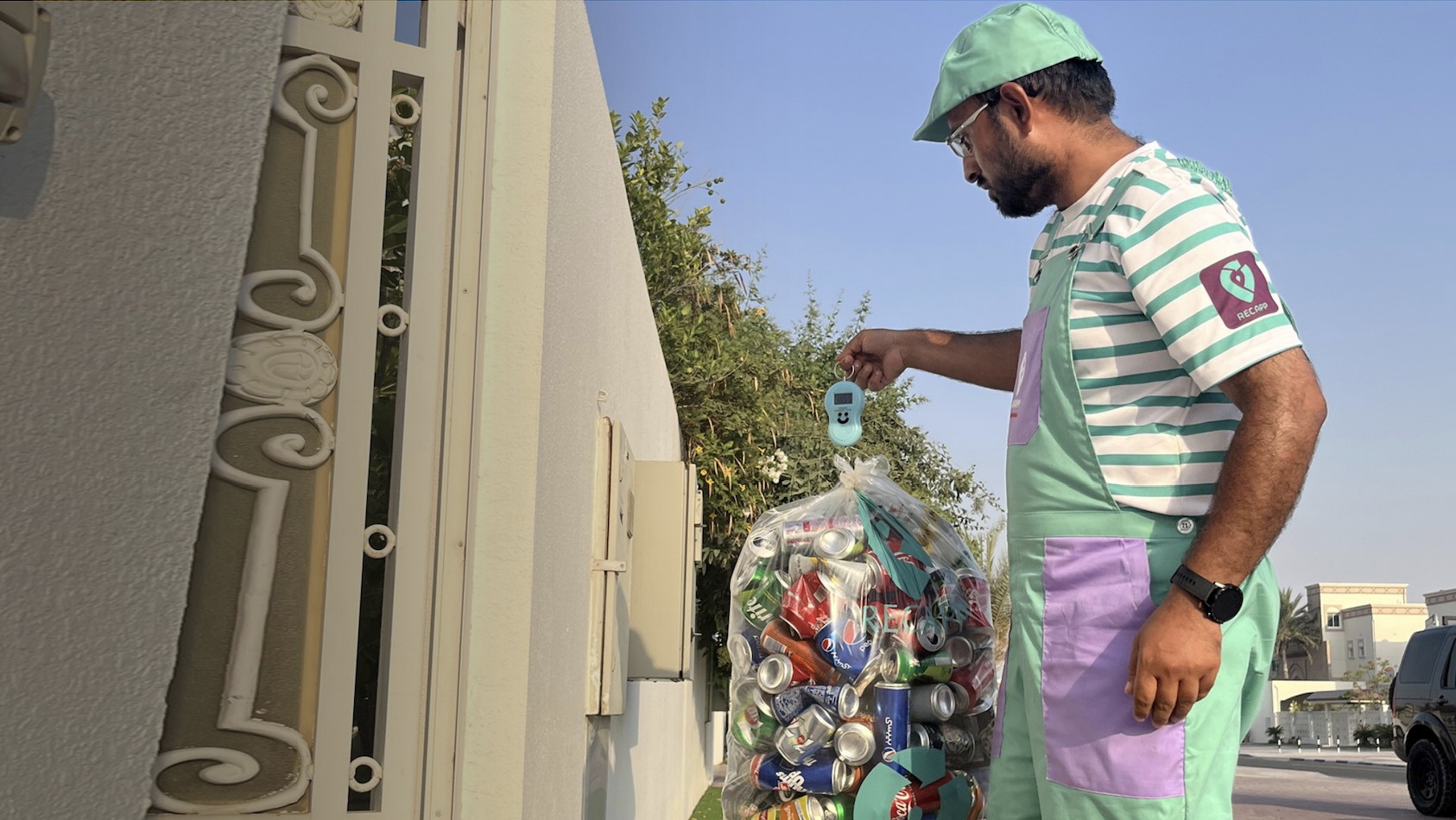
United Arab Emirates, 4 July 2024: Emirates Global Aluminium, the largest industrial company in the United Arab Emirates outside oil and gas, and RECAPP, Veolia’s digital recycling solution for individuals and businesses, today announced they have completed more than 14 thousand collections from schools and homes since the start last year of a partnership to promote aluminium recycling amongst young people in the UAE.
The partnership began with 12 schools near EGA’s operations in Jebel Ali and Al Taweelah, and now covers 20 educational institutions as well as home collections.
UAE citizens and residents consume some 660 million aluminium beverage cans in total every year. Only a third are currently recycled, compared to over 95 per cent in leading recycling countries. More than 440 million aluminium cans currently end up in UAE landfill sites annually.
EGA and RECAPP collected 145 thousand used drink cans during the year.
Abdulnasser Bin Kalban, Chief Executive Officer of Emirates Global Aluminium, said: “Aluminium is essential for the development of a more sustainable society. Aluminium is already one of the world’s most recycled materials, but too much of this valuable material is still thrown away in our country. I thank RECAPP by Veolia and our EGA teams for educating young people about the importance of recycling aluminium drink cans and inspiring a culture of sustainability and environmental stewardship.”
Jerome Viricel, General Manager of RECAPP by Veolia said: “Aluminium is infinitely-recyclable, and recycling aluminium takes 95 per cent less energy than making new metal. I am confident that by diverting aluminium waste from the UAE’s landfills and guiding students and residents to the right approach in recycling aluminium, this partnership will further bolster national efforts towards sustainability and strengthen the recycling reflex across the country. This project underscores Veolia’s dedication to ecological transformation, and closely aligns with our ambitious new GreenUp plan that focuses on high-impact solutions while strengthening our decarbonisation commitments.”
RECAPP by Veolia is a member of the Aluminium Recycling Coalition, which was founded by EGA in 2023 to bring the company together with can-makers, beverage producers and waste management companies to promote recycling in the UAE.
For Veolia, the can collection and aluminium recycling project represents a significant step to help its customers decarbonise, depollute and regenerate resources, through the deployment of its digital platform RECAPP. The collaboration will also advance Veolia’s mission in the UAE of promoting recycling and sustainable development in keeping with the country’s broader vision for a Net Zero future and its Circular Economy Policy.
EGA is currently constructing the UAE’s largest aluminium recycling plant in Al Taweelah, which is expected to have a capacity of 170 thousand tonnes per year when complete.